
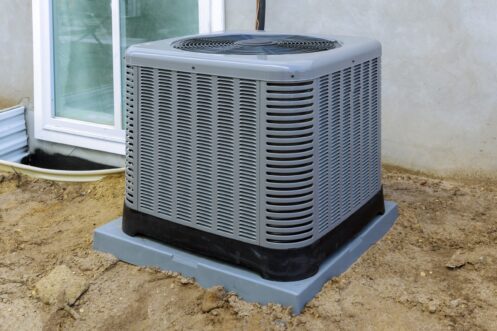
Replacing your AC is an opportunity to invest in a system that will keep your home comfortable, efficient, safe, and reliable. The decision deserves careful consideration, but cost is often the most defining factor for Illinois homeowners. Understanding what drives the price helps you plan and avoid surprises. Here’s what to expect in 2026.
Factors That Influence AC Installation Costs
The cost of installing an air conditioner varies from home to home. You could be installing the same system as your neighbor, but your final price may differ significantly depending on your property’s unique needs. The factors that cause this variation include:
System Type
There are many types and models of air conditioners you can install in your home, each with its own price points. However, the common options include a conventional central AC system and a ductless mini-split. Most homeowners replace their current setup with the same type because it fits the existing layout. You are also free to explore alternatives when comfort needs or energy goals change.
A whole-home setup for ductless mini-splits costs significantly more to install than conventional ACs. In fact, with existing ductwork, conventional AC replacement is very affordable, generally ranging from $5,000 to $12,000. On the other hand, a multi-zone mini-split can reach $20,000 or more because each indoor head, line set, and zone control adds to the material and labor costs.
It’s worth noting that, even though ductless mini-splits come at a higher price point, they often cost less to operate over time. Their inverter-driven compressors adjust output based on real-time demand, reducing energy waste and lowering monthly utility bills. Many homeowners also appreciate the improved humidity control and the ability to fine-tune temperatures in individual rooms, which can lead to better comfort.
System Size
AC systems come in different load capacities. This is why you need an experienced HVAC technician to calculate your home’s cooling load before you buy new equipment. This calculation determines how much cooling your home actually needs so that the technician can match you with a system that performs effectively.
A properly sized system is essential for both comfort and long-term reliability. An undersized unit will run constantly and still fail to maintain stable temperatures during peak heat. An oversized unit will cycle on and off too quickly, which leads to uneven cooling, higher energy use, and premature wear on major components.
A larger home will generally require a higher-capacity AC unit, and such equipment comes at a higher price point. The added cost reflects the increased size of the compressor, coil, and blower, as well as the additional labor required to install and commission the system. Homes with open floor plans, high ceilings, or significant sun exposure may also require more capacity, which can influence the final price.
Efficiency Ratings
AC efficiency is expressed in SEER2 (Seasonal Energy Efficiency Ratio 2). The number “2” is added to reflect the updated testing standards that better represent real-world operating conditions. A higher SEER2 rating indicates a system that uses less energy to produce the same amount of cooling.
Illinois, being a part of the North region, has a minimum SEER2 requirement of 13.4 for central ACs and 14.3 for mini-split systems. As you move higher on the efficiency scale, the price of the equipment increases. This is because high-efficiency systems use more advanced components to reduce energy waste and maintain steadier temperatures. Consider them when long-term operating costs are a priority or when utility incentives can offset the initial investment.
Installation Complexity
The complexity of the installation also affects the final cost. A straightforward replacement in which the new system matches the existing setup is usually the most affordable option. Costs rise when the installer needs to modify the ductwork, relocate equipment, or address issues such as restricted airflow or home insulation.
Installer Installation Price
Labor costs vary across Illinois based on regional demand, technician experience, and the level of service included. Companies that invest in ongoing training, proper licensing, insurance coverage, and strong workmanship warranties often charge more. However, the added value shows in system performance and long-term reliability.
Contact Bratcher Heating & Air Conditioning for More Information
If you are considering replacing your AC, you can trust Bratcher Heating & Air Conditioning to give you professional guidance on both upfront and long-term costs.
Our NATE-certified technicians, backed by more than 30 years of industry experience, will provide an accurate estimate and help you source the right system for your home.
We offer premier Lennox HVAC systems and handle the installation with precision so that your new AC performs exactly as it should.
Our pricing is competitive, and we offer flexible financing on approved credit to make the investment more manageable.
Call Bratcher Heating & Air Conditioning today to request a quote for professional AC installation in Bloomington and throughout Central Illinois.
