
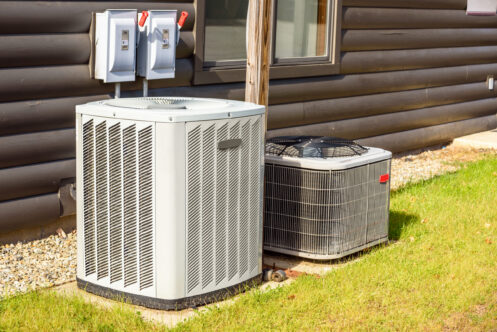
A dual fuel heat pump is a system that operates primarily as a heat pump but switches to a backup heat source during extreme weather. In most homes, the backup system is a gas or electric furnace. The system automatically chooses the most efficient heating option based on outdoor temperatures and operating conditions. Below is a closer look at how dual fuel systems work and when they make sense.
Heat Pump Efficiency and Temperature Performance
Heat pumps are most efficient in moderate outdoor temperatures, typically above freezing. While efficiency gradually declines as temperatures drop, many modern cold-climate models can continue providing reliable heat at temperatures near 0°F. This allows a heat pump to handle the majority of a home’s heating needs throughout the year. Because the same system also delivers efficient air conditioning in summer, heat pumps offer year-round comfort.
How a Heat Pump Works
A heat pump operates on the same basic principles as an air conditioner. In summer, the heat pump moves heat from inside your home to the outdoors. The key difference from an air conditioner is the reversing valve. This component allows the system to change direction and move heat indoors during colder months. Even when outdoor temperatures drop, the air still contains usable thermal energy. The heat pump captures that heat and transfers it inside to warm the home.
Unlike a furnace, a heat pump does not burn fuel to create heat. Instead, it uses electricity to power the compressor and circulate refrigerant, which absorbs and releases heat as it moves through the system.
As outdoor temperatures fall, there is less heat available to extract, and efficiency gradually declines. Each model has a specific temperature range where operation remains cost-effective. Once conditions drop below that point, supplemental or backup heating becomes more practical, which is why dual fuel systems include a secondary heat source.
Backup Heating
Backup heating in a dual fuel system provides an alternative heat source when outdoor temperatures drop low enough that a heat pump becomes less efficient. In this type of system, the changeover from the heat pump to the backup heater is typically automatic based on outdoor temperatures. Many systems also offer manual settings, allowing homeowners to control when the secondary heat source engages.
For example, some homeowners choose to switch to backup heating around 30°F if their heat pump is not designed for extended cold-weather performance. This is more common with older or low-cost heat pumps. Most newer, high-quality models can operate efficiently at much lower temperatures and may rely solely on backup heat during the coldest winter nights.
The Balancing Point
The balance point is the outdoor temperature at which it becomes more cost-effective for a dual fuel system to switch from the heat pump to the furnace. This threshold depends on several factors, including local electricity and natural gas prices and system efficiency ratings.
The balance point often falls around 30°F, but this is only a general guideline. Homeowners with higher-efficiency heat pumps can often delay switching over to their furnace and still save money.
A Note on Geothermal Systems
This limitation is far less significant for geothermal heat pumps. Instead of relying on outdoor air, geothermal systems exchange heat with the ground, where temperatures remain stable year-round. This allows geothermal heat pumps to operate efficiently even during extreme cold weather. However, some homeowners with geothermal systems still opt for dual fuel configurations for added reliability. A secondary heat source can provide backup heating if the heat pump requires service.
Efficiency and the 60/40 Rule
A rule of thumb is that you want a heat pump running at least 60% of the heating season to get the most out of its efficiency. Backup heating would then run 40% of the time or less. This is a pretty normal split for homes in Central Illinois, even ones without cold-climate models.
A heat pump is optimal for colder nights during the cooling season, too. If the temperature drops enough to trigger a heating cycle on a cold night in early September, for example, your heat pump will handle that without relying on a backup system. Spring, summer, and fall operations tend to deliver the largest efficiency gains when the system is running in heat pump mode.
Contact Your Local HVAC Experts
At Bratcher Heating & Air Conditioning, we have been serving the residents of Peoria and the larger Central Illinois area for more than 40 years. We install, maintain, and repair heating and cooling systems, including heat pumps. As a local business, we focus on developing long-term customer relationships. That means you can expect quality work at reasonable prices.
If you’re curious about the benefits of a dual fuel heat pump for your Peoria home, reach out to Bratcher Heating & Air Conditioning today.
